



 Home /
 Top 5 Industrial Valves Used in the Mining Industry

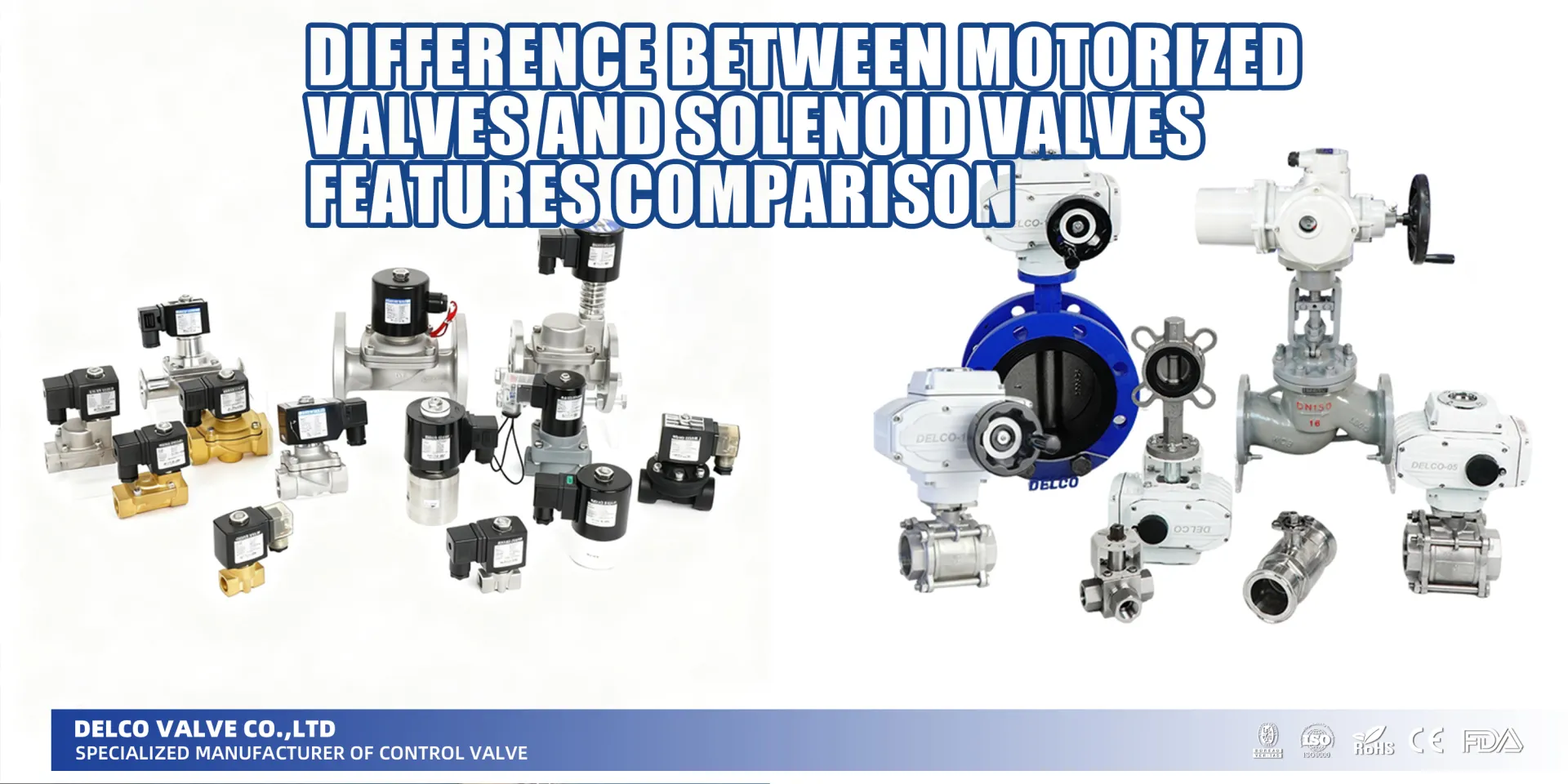
Difference Between Motorized Valves and Solenoid Valves Features Comparison
Nov 29, 2025
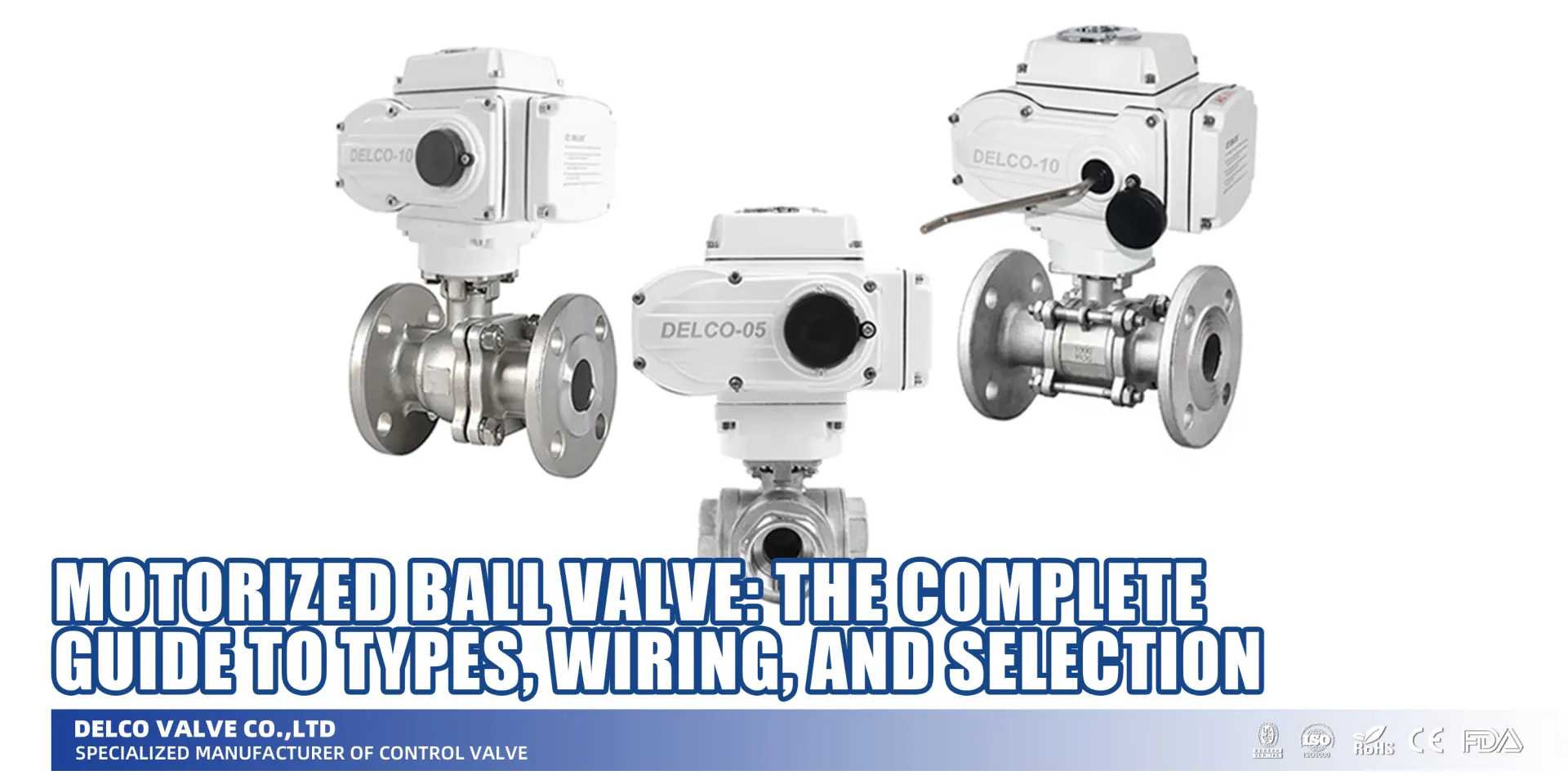
Motorized Ball Valve: The Complete Guide to Types, Wiring, and Selection
Dec 29, 2025
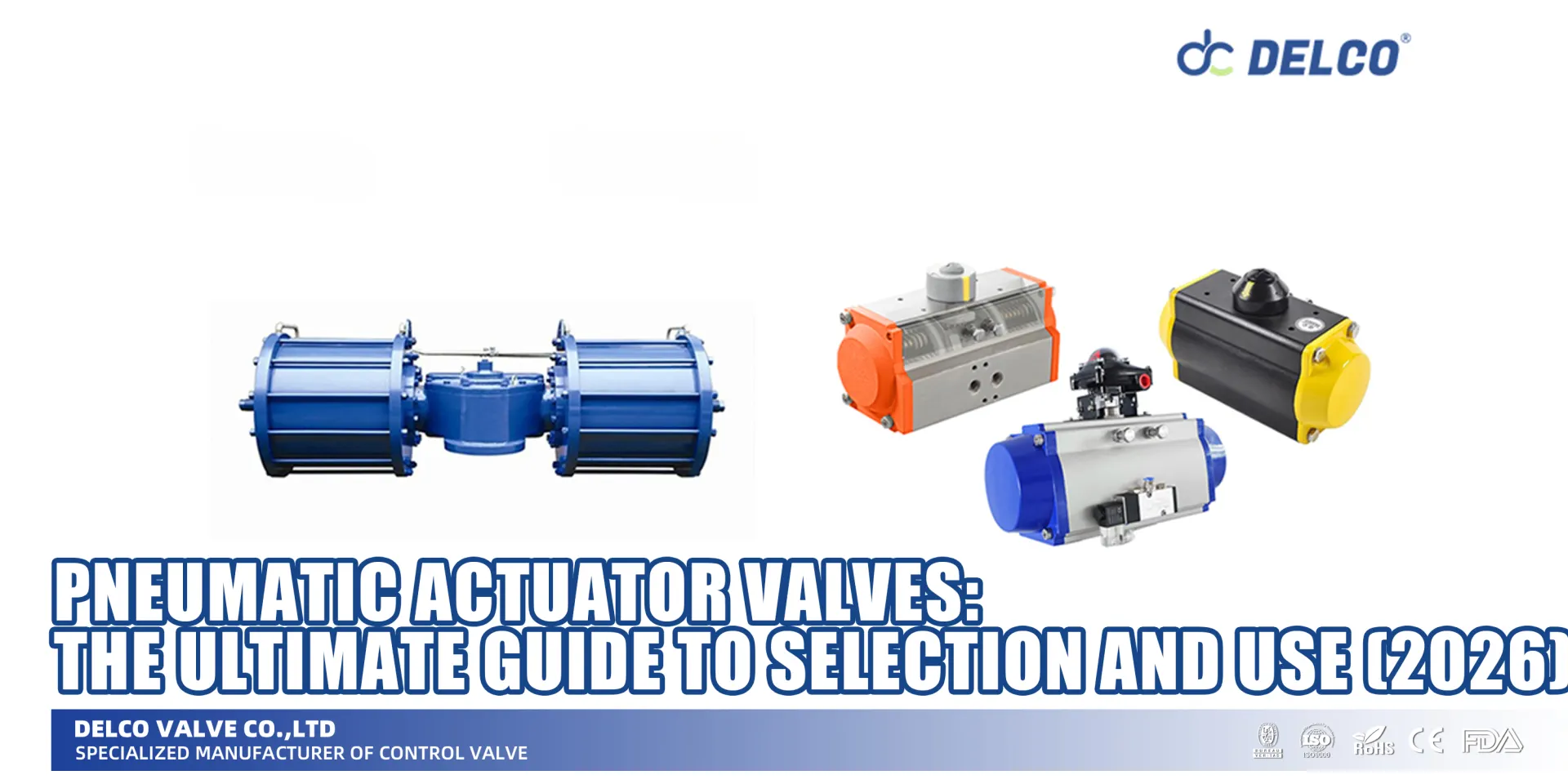
Pneumatic Actuator Valves: The Ultimate Guide to Selection and Use (2026)
Jan 14, 2026
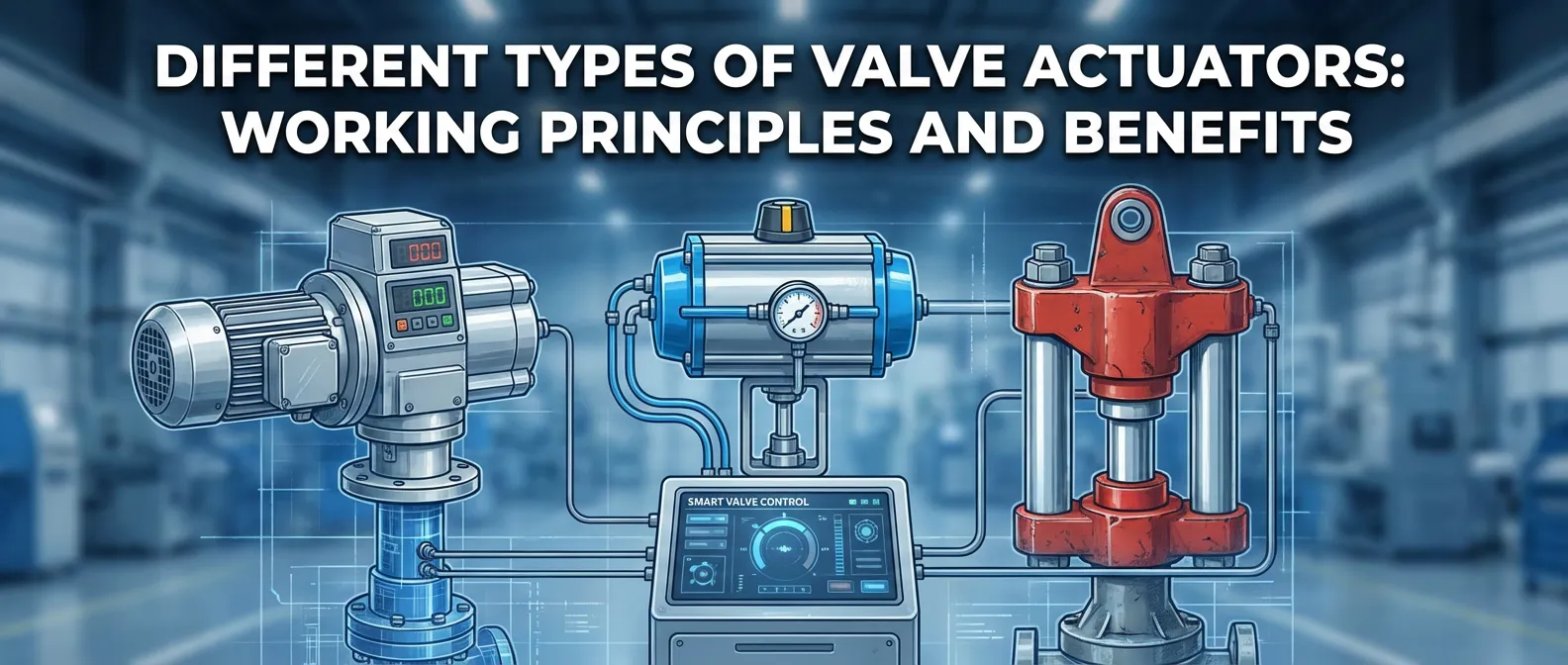
Different Types of Valve Actuators Working Principles and Benefits
Nov 29, 2025
What are the most commonly used valves in the mining industry? The short answer is that mining circuits rely on five main types: Knife Gate Valves (for heavy tailings isolation), Pinch Valves (for high-solid paste), Metal-Seated Ball Valves (for high-pressure cyclone feeds), Butterfly Valves (for water reclamation), and Check Valves (for pump protection). Selecting the right valve depends strictly on your slurry density, pressure rating, and chemical abrasiveness. In this guide, we break down exactly where to apply each valve to maximize plant uptime.
1. Heavy-Duty Knife Gate Valves (The Slurry Champion)
In our experience across global mine sites, heavy-duty knife gate valves are the undisputed leaders for slurry handling equipment. These valves are purpose-built to survive the grit and grime of mineral processing where standard gate or globe valves simply can’t cope. We design these with a robust architecture that handles high-density pulp and abrasive solids without clogging or seizing.
Shearing Action for Tailings and Dewatering Lines
The defining feature of this valve is its “knife” edge. In tailings discharge systems, solids often settle in the pipeline, creating a thick layer of sediment. A standard valve would trap these solids in the seat, preventing a full closure. Our knife gate valves use a sharpened stainless steel blade to shear through thick slurry and scale, ensuring a positive metal-to-metal or resilient shut-off even in the most neglected mineral processing valves circuits.
Choosing Between Uni-Directional and Bi-Directional Designs
Selecting the right configuration is critical for pipeline integrity and maintenance cycles:
- Uni-Directional Valves: These are the go-to for high-pressure discharge lines where flow moves in one constant direction. They utilize the line pressure to push the gate against the seat for a tighter seal.
- Bi-Directional Valves: We recommend these for isolation points where backflow or pressure surges from either side are possible. They often feature dual-sleeve designs that protect the internal body from the abrasive media, significantly extending the service life of the valve.
By matching the specific gate design to your pressure requirements, we help eliminate the common leaks that plague mine dewatering and tailings management.
2. Abrasion-Resistant Pinch Valves
When our clients deal with heavy, abrasive materials, standard valves often fail quickly. That is where abrasion-resistant pinch valves step in as essential slurry handling equipment. Their simple but highly effective design makes them a staple in mineral processing.
Why Elastomer Sleeves Excel in High-Solid Paste Backfill
The secret to a pinch valve’s durability lies in its core component: the flexible sleeve. In high-solid paste backfill applications, rigid metal components get chewed up fast. Elastomer sleeves handle this differently:
- Impact Absorption: The rubber material absorbs the kinetic energy of abrasive particles rather than fighting it.
- Predictable Maintenance: Monitoring elastomer sleeve wear is straightforward, allowing for planned replacements without unexpected downtime.
- Tight Shut-Off: Even with trapped solids, the flexible sleeve molds around the particles to ensure a complete, leak-proof seal.
Zero Dead Cavities: Preventing Pipeline Clogging
One of the biggest headaches in mining pipelines is material buildup. Traditional valves have internal cavities and crevices where solids get trapped, eventually choking the line. Pinch valves eliminate this problem entirely.
- Straight-Through Flow: When open, the valve acts just like a straight piece of pipe.
- No Dead Spots: There are absolutely no internal cavities or dead zones for abrasive media to settle.
- Self-Cleaning Action: The flexing of the sleeve during operation naturally breaks away any minor scale buildup, keeping the process moving smoothly.
3. Severe Service Metal-Seated Ball Valves
When your mining operation moves beyond standard water lines and into the realm of extreme pressure and heat, soft-seated valves simply won’t cut it. We utilize severe service metal-seated ball valves as the definitive solution for the most unforgiving environments in a processing plant. These valves provide a bubble-tight shutoff where elastomer or plastic components would melt, shred, or deform within hours.
High-Pressure Isolation for Cyclone Feeds and Autoclaves
In high-velocity cyclone feed lines and high-pressure acid leaching (HPAL) autoclaves, the combination of speed, pressure, and heat creates a “perfect storm” for valve failure. We engineer our metal-seated ball valves to handle these specific challenges:
- Positive Shutoff: Ensuring total isolation during maintenance on high-pressure circuits to protect your crew and equipment.
- Thermal Cycling: Built to withstand the rapid temperature shifts common in autoclave operations without seizing or leaking.
- Full Bore Design: Minimizing turbulence and pressure drop, which is critical for maintaining the efficiency of slurry handling equipment.
The Importance of Tungsten Carbide Coatings in Mining
The secret to the longevity of a severe service ball valve in a mine lies in its surface treatment. Standard stainless steel is too soft for the constant bombardment of quartz, gold ore, or copper concentrates. We apply specialized Tungsten Carbide (TC) coatings to both the ball and the seats to ensure the valve survives the “sandblasting” effect of high-speed slurry.
- Extreme Hardness: TC coatings reach hardness levels that allow the valve to “wipe” the seat clean of particles without scratching the sealing surface.
- Erosion Resistance: This coating prevents the “wire-drawing” effect where high-pressure leaks eventually cut a groove through the metal.
- Matched Grinding: We precision-lap the ball and seat sets together, creating a matched pair that maintains a perfect seal even after thousands of cycles in abrasive media.
By choosing metal-seated designs with advanced coatings, you reduce unplanned downtime and extend the service life of your most critical mineral processing valves.
4. High-Performance Butterfly Valves
When you need to move high volumes of fluid without breaking the bank, high-performance butterfly valves are our go-to recommendation. In the mining industry, space is often at a premium, and these valves offer a compact, lightweight alternative to bulky gate or globe valves. They provide reliable shut-off and throttling capabilities, making them essential for the massive piping networks found in modern mineral processing facilities.
Cost-Effective Solutions for Water Reclamation Circuits
Water management is one of the biggest overheads in any mining operation. We supply butterfly valves specifically for water reclamation circuits, where large diameters are required to move recycled process water back into the plant.
- Low Torque Requirements: Easier to automate with smaller, cheaper actuators.
- Space-Saving Profile: Fits into tight galleries and modular skid units.
- High Flow Capacity: Minimal pressure drop across the valve ensures efficient pumping.
Lined vs. Triple Offset Designs for Corrosive Environments
Choosing the right seat and seal design is critical for the longevity of your mining pipeline automation strategy. We generally categorize these into two main types based on the chemical makeup of your fluid:
- Lined Butterfly Valves: These feature resilient liners (like EPDM, NBR, or PTFE) that protect the valve body from corrosive reagents and mildly abrasive liquids. They are the standard for leaching lines and general water treatment.
- Triple Offset Valves (TOV): For more extreme conditions, we utilize a metal-to-metal seat design. The triple offset geometry eliminates friction between the seal and the seat, allowing the valve to handle higher pressures and temperatures while maintaining a bubble-tight seal.
In our valve selection guide, we always emphasize that while a lined valve is great for cost-efficiency, the triple offset design is the winner for severe service where elastomer failure isn’t an option.
5. Non-Slam Check Valves for Mine Dewatering
In deep-hole mining and open-pit operations, getting water out is a constant battle. We utilize non-slam check valves as the primary defense for your pumping stations. Unlike standard swing checks that “slam” shut when flow reverses, these valves use a spring-assisted design to close the disc just before the flow velocity reaches zero. This prevents the massive pressure surges that lead to catastrophic pipe failure.
Protecting Slurry Pumps from Destructive Water Hammer
When a slurry pump trips or shuts down, the vertical column of fluid—often hundreds of meters high—instantly attempts to reverse direction. This creates a water hammer effect that can crack pump casings and blow out gaskets. Our non-slam designs are engineered specifically for these copper mine dewatering environments where the water isn’t just wet—it’s full of grit and minerals.
Why Non-Slam Valves are Essential for Dewatering:
- Silent Closure: Eliminates the kinetic energy spike that causes “slamming” and vibration.
- Pump Protection: Prevents backflow from spinning the pump impeller in reverse, which can damage motors and seals.
- Low Maintenance: With fewer moving parts exposed to the flow, these valves handle the abrasive nature of mine water better than traditional designs.
- Energy Efficiency: Optimized flow paths reduce pressure drop, meaning your slurry handling equipment doesn’t have to work harder than necessary.
By integrating these valves into your tailings discharge system or dewatering circuit, we ensure that your infrastructure remains intact even during emergency power outages or sudden pump failures.
Application Matrix: Matching the Valve to the Mining Circuit
Choosing the right valve for a mine isn’t just about pipe size; it’s about matching the hardware to the specific chemistry and physical state of the media. In our experience, misapplying a valve in a high-wear zone leads to catastrophic downtime. We use a strategic matrix to ensure every mineral processing valve is fit for purpose.
| Mining Circuit | Typical Media | Recommended Valve Type | Key Selection Factor |
|---|---|---|---|
| Flotation | Froth, Reagents, Slurry | Butterfly or Pinch Valves | Fine flow control & chemical resistance |
| Leaching | Acidic/Alkaline Solutions | Lined Butterfly or Ball Valves | Corrosion resistance (Lining material) |
| Tailings | Thickened Waste, Sand | Heavy-Duty Knife Gate Valves | Solids handling & bubble-tight shutoff |
| Dewatering | Gritty Water, High Pressure | Non-Slam Check & Gate Valves | Preventing water hammer & backflow |
| Autoclave | High Temp/High Pressure | Metal-Seated Ball Valves | Thermal expansion & severe service sealing |
Flotation, Leaching, and Tailings Disposal Selection Criteria
When we evaluate a circuit, we look at three primary drivers to determine the best slurry handling equipment:
- Flotation Cells: These circuits require valves that can handle constant cycling and aeration. We prioritize lightweight designs and ease of automation. Since reagents can be aggressive, the elastomer compatibility in pinch valves or the liner in butterfly valves is the first thing we check.
- Leaching Operations: Whether it’s heap leaching or tank leaching, the priority shifts to chemical compatibility. We focus on specialized coatings and high-grade alloys or plastic linings (like PFA or PTFE) to prevent the housing from dissolving in acidic “pregnant” solutions.
- Tailings Disposal: This is the most “brutal” part of the plant. We select valves based on abrasion resistance and the ability to cut through settled solids. For tailings discharge systems, a valve must have a full-port opening to prevent turbulence, which otherwise eats through the pipe wall in days.
We focus on minimizing the Total Cost of Ownership (TCO). A cheaper valve that fails every three months is far more expensive than a premium severe service ball valve that runs for two years without a touch.
Partner with DELCO Valve for Your Mining Projects
At DELCO Valve, we don’t just sell hardware; we provide the backbone for your mineral processing valves infrastructure. We understand that in a mine, downtime isn’t just an inconvenience—it’s a massive financial leak. That is why we engineer our valves to outlast the competition in the most unforgiving environments on earth.
Our team focuses on solving the specific pain points of slurry handling equipment and tailings discharge systems. Whether you are managing a copper mine in Chile or a gold processing plant in Australia, we deliver flow control solutions that keep your production lines moving.
Why Global Mining Operations Trust DELCO:
- Field-Proven Durability: Our severe service ball valves and knife gates are tested against the exact grit and scale found in your pipelines.
- Custom Engineering: We don’t believe in “one size fits all.” We customize elastomer sleeve wear profiles and metallurgy to match your specific ore chemistry.
- Rapid Response: We maintain a robust supply chain to ensure your mining pipeline automation upgrades happen on schedule, reducing lead times for critical replacements.
- Technical Expertise: From initial selection to on-site maintenance tips, we provide the technical backing to ensure your valves perform under pressure.
When you partner with us, you are getting more than a supplier. You are getting a team dedicated to maximizing your uptime and lowering your total cost of ownership. For high-stakes copper mine dewatering or high-pressure autoclave isolation, DELCO Valve is the name you can rely on.
Frequently Asked Questions (FAQ)
What is the most commonly used valve in copper mining?
In my experience working with global copper operations, the Heavy-Duty Knife Gate Valve is the most frequent choice. Copper extraction relies heavily on moving massive volumes of abrasive slurry and managing complex tailings discharge systems. These valves are favored because their sharpened gates can slice through settled solids that would jam other designs. They provide a reliable seal in the grit-heavy environments typical of flotation and thickening circuits.
How do you automate valves in remote mining locations?
Automating valves in isolated pits or distant processing plants requires a focus on self-sufficiency and ruggedness. We typically implement mining pipeline automation using the following setups:
- Pneumatic Actuators: Preferred for their simplicity and ability to use compressed air lines already present in many mine sites.
- Solar-Powered Electric Actuators: Ideal for remote dewatering lines where running power cables is cost-prohibitive.
- Wireless Control Systems: We use long-range radio or satellite links to monitor valve status and trigger operations from a central control room miles away.
- Fail-Safe Reservoirs: Ensuring the valve moves to a safe position during a power or signal loss is critical for preventing environmental spills in copper mine dewatering and leaching areas.
Ready to Upgrade Your Mining Circuit?
Sourcing the right valve for abrasive mining environments shouldn’t involve guesswork. At DELCO Valve, we specialize in manufacturing and automating the top industrial valves tailored specifically for LATAM’s severe service conditions. Whether you need heavy-duty knife gates or high-pressure ball valves, our engineering team is ready to assist.
Share on Social:


Contact Us
In This Article
Difference Between Motorized Valves and Solenoid Valves Features Comparison
Nov 29, 2025
Motorized Ball Valve: The Complete Guide to Types, Wiring, and Selection
Dec 29, 2025
Pneumatic Actuator Valves: The Ultimate Guide to Selection and Use (2026)
Jan 14, 2026
Different Types of Valve Actuators Working Principles and Benefits
Nov 29, 2025