



 Home /
 Optimizing Heat Transfer: Best Control Valves for Thermal Fluid Systems
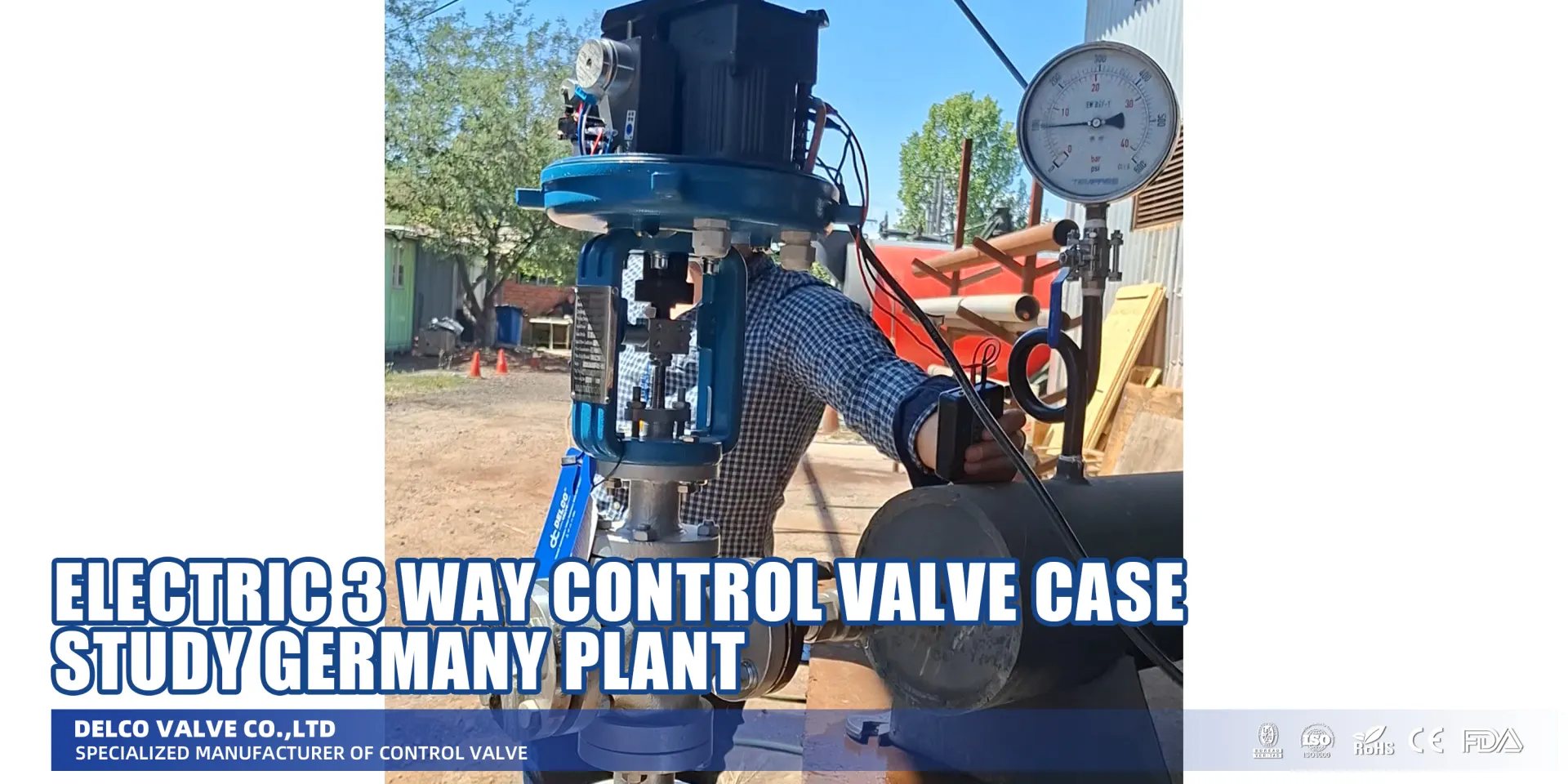
Electric 3 Way Control Valve Case Study Germany Plant
Jun 29, 2026
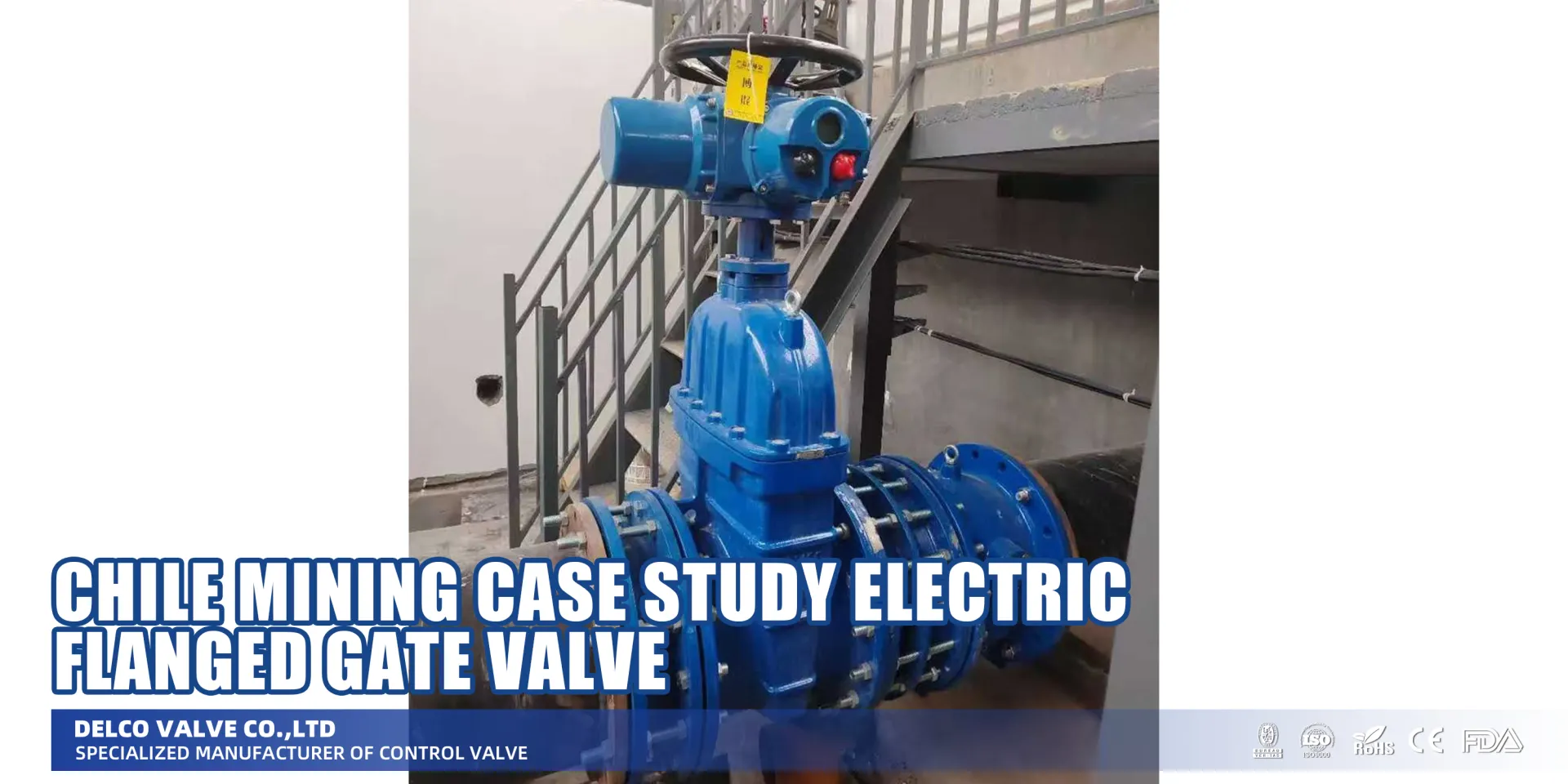
Chile Mining Case Study Electric Flanged Gate Valve
Jun 26, 2026
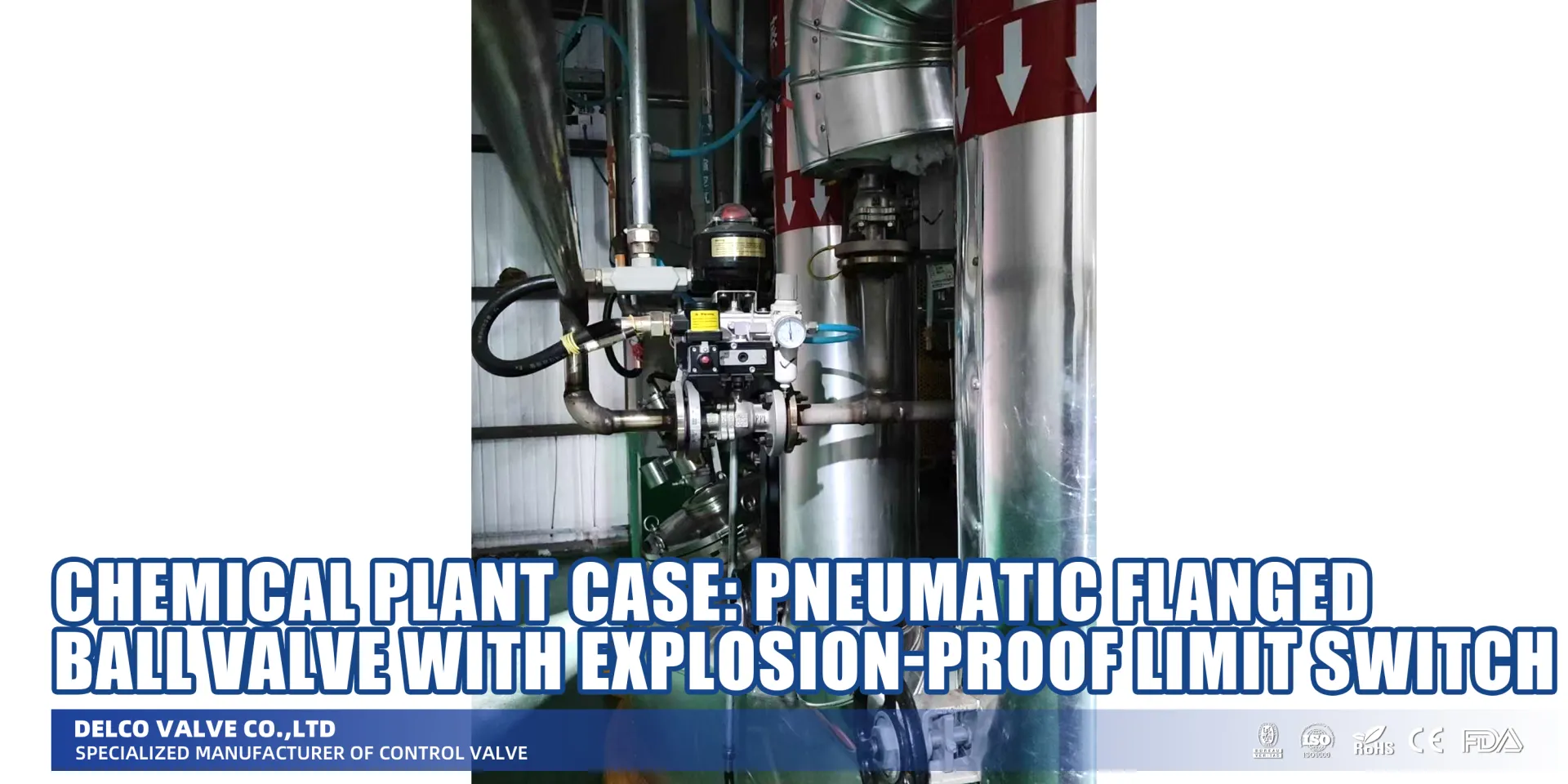
Chemical Plant Case: Pneumatic Flanged Ball Valve with Explosion-Proof Limit Switch
Jun 24, 2026
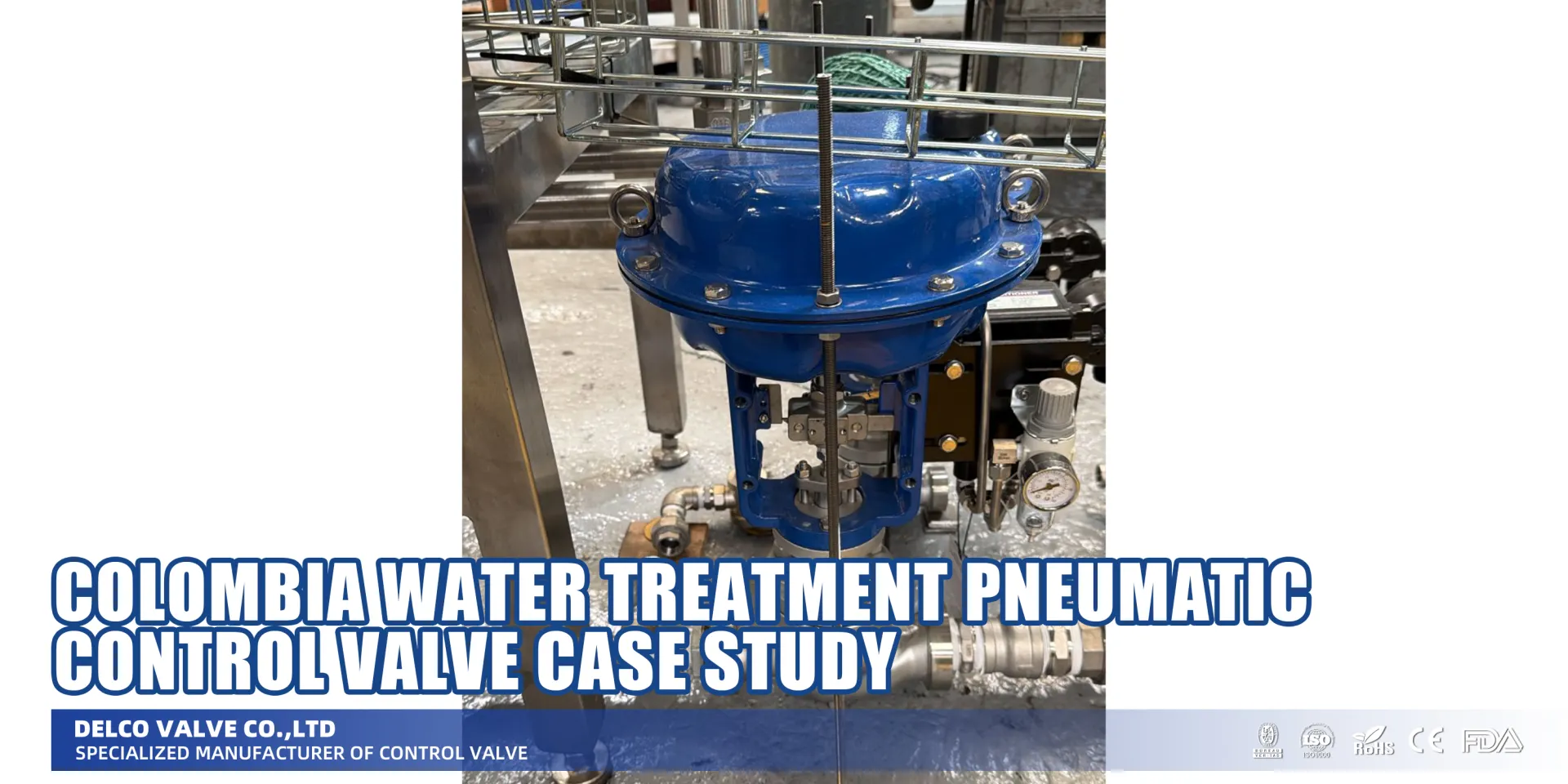
Colombia Water Treatment Pneumatic Control Valve Case Study
Jun 22, 2026
Managing extreme temperatures in industrial processes can feel like a constant battle against physics. If your thermal fluid heat transfer systems aren’t dialed in perfectly, you’re not just losing energy—you’re risking dangerous leaks, costly downtime, and ruined equipment.
The secret to mastering this temperature tug-of-war? Choosing the right control valves for thermal fluid systems.
Over the years, I’ve seen how a single substandard valve can cripple an entire production line. That is why optimizing heat transfer isn’t just about choosing a high-temperature component; it’s about understanding advanced material selection, precise loop configurations, and cutting-edge sealing technologies that keep your system running safely and efficiently.
Whether you are running a petrochemical plant or managing complex HVAC demands, this guide breaks down the exact selection criteria and engineering features you need to know.
Let’s dive right in.
Understanding Thermal Fluid Systems and Heat Transfer Optimization
What are Thermal Fluid Heat Transfer Systems?
Thermal fluid heat transfer systems—often called hot oil systems—utilize a specialized organic or synthetic liquid as a heat-bearing medium. Unlike steam systems that require high pressure to reach elevated temperatures, thermal fluid systems operate closed-loop and virtually pressure-free at temperatures exceeding 300°C. This ability to transfer precise, high-temperature heat safely makes them indispensable for modern industrial processing.
The Crucial Role of Control Valves in Temperature Regulation
In any thermal fluid system, temperature regulation determines product quality and energy efficiency. Control valves serve as the primary mechanism to manage this thermal energy. By precisely modulating the flow rate of the heated fluid, these valves prevent overheating, eliminate thermal degradation of the fluid, and maintain strict process temperature tolerances. Without highly responsive control valves, maintaining a stable thermal balance is impossible.
Primary vs. Secondary Thermal Loops
Optimizing heat transfer requires a clear division between primary and secondary thermal loops.
- Primary Loop: Connects the main heater or boiler to the main distribution network, maintaining a constant flow and high temperature.
- Secondary Loop: Draws heat from the primary loop to feed specific production processes.
Control valves isolate these loops, allowing the secondary loop to vary its temperature independently via blending or diverting configurations without disrupting the primary heat source.
| Loop Type | Primary Loop | Secondary Loop |
|---|---|---|
| Main Function | Constant heat generation & distribution | Precise process temperature control |
| Flow Characteristic | Constant flow | Variable flow / Blending |
| Valve Role | System pressure & balance | Temperature modulation |
Essential Features of High-Performance Control Valves
Advanced Material Selection for Extreme Temperature Resistance
When we design systems for optimizing heat transfer: best control valves for thermal fluid systems must withstand punishing environments. Standard metals fail when thermal fluids reach peak operating temperatures. We utilize advanced materials specifically engineered to maintain structural integrity and prevent thermal fatigue.
| Component | Standard Material | High-Performance Choice | Benefit |
|---|---|---|---|
| Valve Body | Cast Iron | Ductile Iron / Carbon Steel (WCB) | Prevents cracking under high thermal stress |
| Trim & Plug | Standard Stainless | Hardened 316 SS / Stellite Coating | Resists erosion and cavitation from hot oils |
| Bonnet | Standard | Extended Finned Bonnet | Dissipates heat to protect the actuator |
Innovative Sealing Technologies to Prevent Leakage
Thermal fluids are costly, hazardous, and highly prone to searching out the smallest leak paths at elevated temperatures. Traditional packing hardens and fails under these conditions. Our valve designs incorporate multi-layered, innovative sealing technologies to guarantee zero leakage and protect your plant environment.
- Bellows Seal Technology: Forms a metallic, hermetic barrier that completely isolates the thermal fluid from the atmosphere.
- Graphite Packing Backups: Provides a secondary fire-safe line of defense capable of withstanding extreme thermal cycles.
- V-Ring Packing Sets: Self-adjusting live-loaded designs that maintain constant pressure on the stem even during rapid temperature swings.
Precision Engineering and Flow Control Capabilities
Achieving optimal heat transfer requires precise fluid dynamics. If a valve overcorrects, system temperatures fluctuate, ruining process consistency and wasting energy. Our control valves feature precision-engineered trims designed for linear or equal percentage flow characteristics.
- High Turndown Ratio: Maintains accurate control even during low-demand periods without hunting.
- Anti-Cavitation Trims: Specialized cage designs eliminate vapor bubbles that cause mechanical wear.
- Tight Shut-off (Class IV or VI): Ensures zero ghost-heating or energy bleed when the loop demands a complete stop.
Types of Control Valves for Thermal Fluid Applications
Choosing the right valve design is a make-or-break decision for optimizing heat transfer: best control valves for thermal fluid systems. The wrong choice leads to energy loss, while the right one ensures pinpoint temperature accuracy.
Two-Way vs. Three-Way Control Valves
The choice between two-way and three-way configurations depends entirely on how you need to manage your thermal fluid loop.
- Two-Way Control Valves: Best for variable flow systems. They throttle the fluid velocity to match the demand of the heat exchanger, making them highly efficient for energy conservation.
- Three-Way Control Valves: Ideal for constant flow systems. They work by either mixing two different fluid temperatures or diverting a single stream away from the heat exchanger to maintain consistent system pressure.
| Valve Type | Primary Function | Best Used For |
|---|---|---|
| Two-Way | Throttles flow rate | Variable flow systems, energy saving |
| Three-Way (Mixing) | Combines two fluid inlets | Precise temperature blending |
| Three-Way (Diverting) | Splits one inlet into two outlets | Protecting bypass loops, constant pressure |
Thermostatic Valves for Precise Management
For automated, self-contained temperature regulation, thermostatic valves are the go-to choice. These valves utilize a fluid-filled thermal element that expands or contracts based on the temperature of the media.
- No External Power Needed: They operate mechanically, making them highly reliable for remote or critical safety loops.
- Proportional Control: They constantly adjust to minor temperature shifts, preventing the harsh thermal shocks that damage system piping.
High-Temperature Ball Valves for Industrial Processes
When your operation demands reliable shut-off and high-cycle durability under extreme conditions, high-temperature ball valves deliver the ruggedness required.
- Quarter-Turn Reliability: Fast, dependable on-off control for isolating sections of your thermal loop.
- Engineered Seals: Utilizing specialized carbon or metallic seats to withstand temperatures that would melt standard soft-seated valves.
- Unrestricted Flow: Their full-port design minimizes pressure drops across the valve, keeping your circulation pumps working efficiently.
Key Application Scenarios Across Industries
Petrochemical and Chemical Processing
In chemical plants, maintaining exact process temperatures isn’t just about efficiency—it is a safety requirement. Exotic fluids, volatile media, and runaway exothermic reactions require immediate, reliable thermal management.
We integrate high-performance units into these loops to manage extreme media temperatures without flinching. When optimizing heat transfer, selecting the best control valves for thermal fluid systems in chemical processing means prioritizing zero-leakage packing and heavy-duty bodies that withstand corrosive atmospheres and high pressure drops.
- Critical Uses: Reactor temperature control, distillation column reboilers, and polymer processing.
- Key Needs: High-cycle life, bellows-sealed valves, and precise throttling capabilities.
Power Generation and Steam Systems
Power plants and industrial steam loops operate under brutal thermal stress. Rapid load changes demand high-temperature components that can throttle smoothly without binding or scaling.
Our control valves manage these massive energy transfers by regulating heat recovery loops and boiler feedwater systems. By utilizing rugged trim materials and advanced geometric designs, we eliminate cavitation and reduce structural vibration, ensuring your plant maintains peak uptime.
- Main Focus: Heat recovery steam generators (HRSGs), turbine bypass systems, and condensate lines.
- Performance Metrics: High pressure ratings ($ANSI/ASME$ classes), cavitation elimination, and thermal shock resistance.
HVAC and Commercial Building Demand
Large-scale commercial buildings, district energy networks, and data centers rely on massive hydronic loops to keep interiors comfortable and equipment cool. Here, energy efficiency and low pressure drops are the metrics that matter most.
We provide optimized three-way and two-way control valves that interface seamlessly with modern Building Automation Systems (BAS). These valves ensure the right volume of hot or chilled water reaches the coils instantly, eliminating energy waste and lowering monthly utility bills.
| HVAC Application | Valve Requirement | Primary Benefit |
|---|---|---|
| Data Center Cooling | High-precision linear throttling | Prevents server overheating and thermal spikes |
| District Heating | Multi-port mixing/diverting | Balances seasonal load demands efficiently |
| Air Handling Units (AHUs) | Equal percentage flow characteristics | Delivers stable room temperature control |
Selection Criteria: Choosing the Right Valve for Your System
Selecting the perfect hardware is where the rubber meets the road. To handle optimizing heat transfer: best control valves for thermal fluid systems, you need a checklist that matches your specific operational layout with precise mechanical capabilities.
Evaluating Loop Configurations and System Pressure
Your system layout dictates your valve choice. You must analyze whether your setup relies on a primary distribution loop or isolated secondary loops, as this changes how pressure drops affect your flow.
- Pressure Ratings: Ensure the valve body matches or exceeds your system’s maximum operating pressure and peak temperature spikes.
- Media Velocity: High-velocity thermal fluids can cause cavitation. Choose a valve trim designed to mitigate turbulent pressure drops.
- Loop Matching: Two-way valves* work best for variable flow primary loops.
- Three-way valves are ideal for constant flow secondary blending loops.
Actuator Integration and Control System Flexibility
A high-performance valve is only as good as the brain driving it. The actuator must seamlessly communicate with your automated control systems to maintain tight temperature tolerances.
- Pneumatic Actuating: Best for rapid response times and hazardous environments requiring explosion-proof ratings.
- Electric Actuating: Ideal for high-precision modulations and setups where compressed air lines are unavailable.
- Signal Compatibility: Look for smart positioners supporting 4-20mA, HART, or Modbus protocols to ensure real-time diagnostics and easy integration into your existing PLC.
Compliance with Certified Fabrication Standards
Never cut corners on regulatory and safety certifications. Thermal fluids operate under extreme conditions, making third-party build compliance a non-negotiable metric for plant safety and longevity.
| Standard / Certification | What It Guarantees |
|---|---|
| ANSI / ASME B16.34 | Covers pressure-temperature ratings and valve body dimensions. |
| API 607 / ISO 10497 | Firesafe testing certification to ensure containment during emergencies. |
| TA-Luft / ISO 15848-1 | Fugitive emissions compliance for tight stem sealing. |
Best Practices for Installation and System Maintenance
The Importance of Factory-Built and Tested Assemblies
When we handle thermal fluid systems, skipping steps during installation is a recipe for disaster. We always recommend choosing factory-built and tested valve assemblies over piecemeal field setups.
When a control valve is integrated, calibrated, and pressure-tested in a controlled factory environment, it eliminates the human error common on a hectic job site. These pre-assembled units ensure that the actuator, positioner, and valve body align perfectly right out of the box. For operations aiming at optimizing heat transfer: best control valves for thermal fluid systems are those that arrive ready to withstand extreme thermal cycles without leaking or binding on day one.
Preventing Thermal Shock and Common System Failures
Thermal shock happens when hot fluid suddenly rushes into a cold valve, causing rapid expansion and catastrophic component failure. To protect your investment and maintain smooth heat transfer optimization, we rely on a few strict piping and startup rules:
- Warm-up bypass lines: Install a small bypass loop to gradually introduce hot thermal oil or steam, bringing the valve up to operating temperature slowly.
- Proper insulation: Leave the valve actuator and packing gland exposed to cool ambient air while heavily insulating the valve body. This prevents the control electronics from frying while keeping the process fluid hot.
- Loop configurations: Avoid installing valves at low points where debris and cold, stagnant fluid collect.
Routine Checklist for Smarter Valve Evaluation
Predictive maintenance keeps your facility running without unexpected shutdowns. We use this straightforward checklist during routine walk-throughs to spot issues before they cause a system failure:
| Inspection Area | What to Look For | Corrective Action |
|---|---|---|
| Stem Packing | Any signs of weeping, wetness, or smoking thermal fluid. | Tighten the packing nut or replace the live-loaded graphite seals immediately. |
| Actuator Travel | Jerky movements, hunting, or sluggish response to control signals. | Recalibrate the digital positioner and check air/power supply lines. |
| Insulation Jackets | Oil soaking or degradation of the thermal wrap. | Replace contaminated insulation to eliminate fire hazards from hot fluid leaks. |
| Body Joint Bolts | Loosening caused by continuous thermal expansion and contraction. | Torque bolts back to factory specifications during scheduled system shutdowns. |
Share on Social:


Contact Us
In This Article
Electric 3 Way Control Valve Case Study Germany Plant
Jun 29, 2026
Chile Mining Case Study Electric Flanged Gate Valve
Jun 26, 2026
Chemical Plant Case: Pneumatic Flanged Ball Valve with Explosion-Proof Limit Switch
Jun 24, 2026
Colombia Water Treatment Pneumatic Control Valve Case Study
Jun 22, 2026