



 Home /
 3-Way Valve Working Principle: Mixing, Diverting & Types Explained

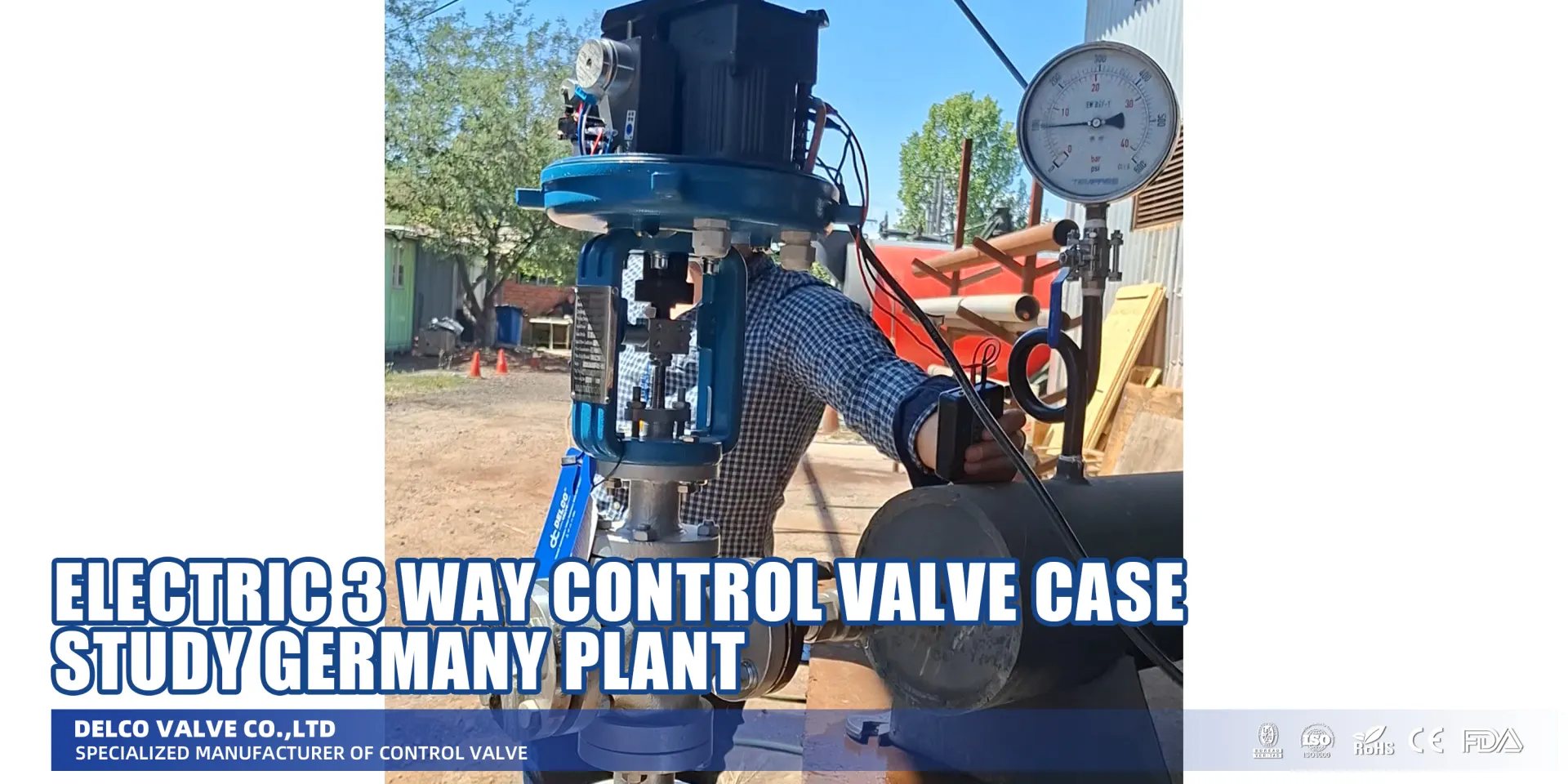
Electric 3 Way Control Valve Case Study Germany Plant
Jun 29, 2026
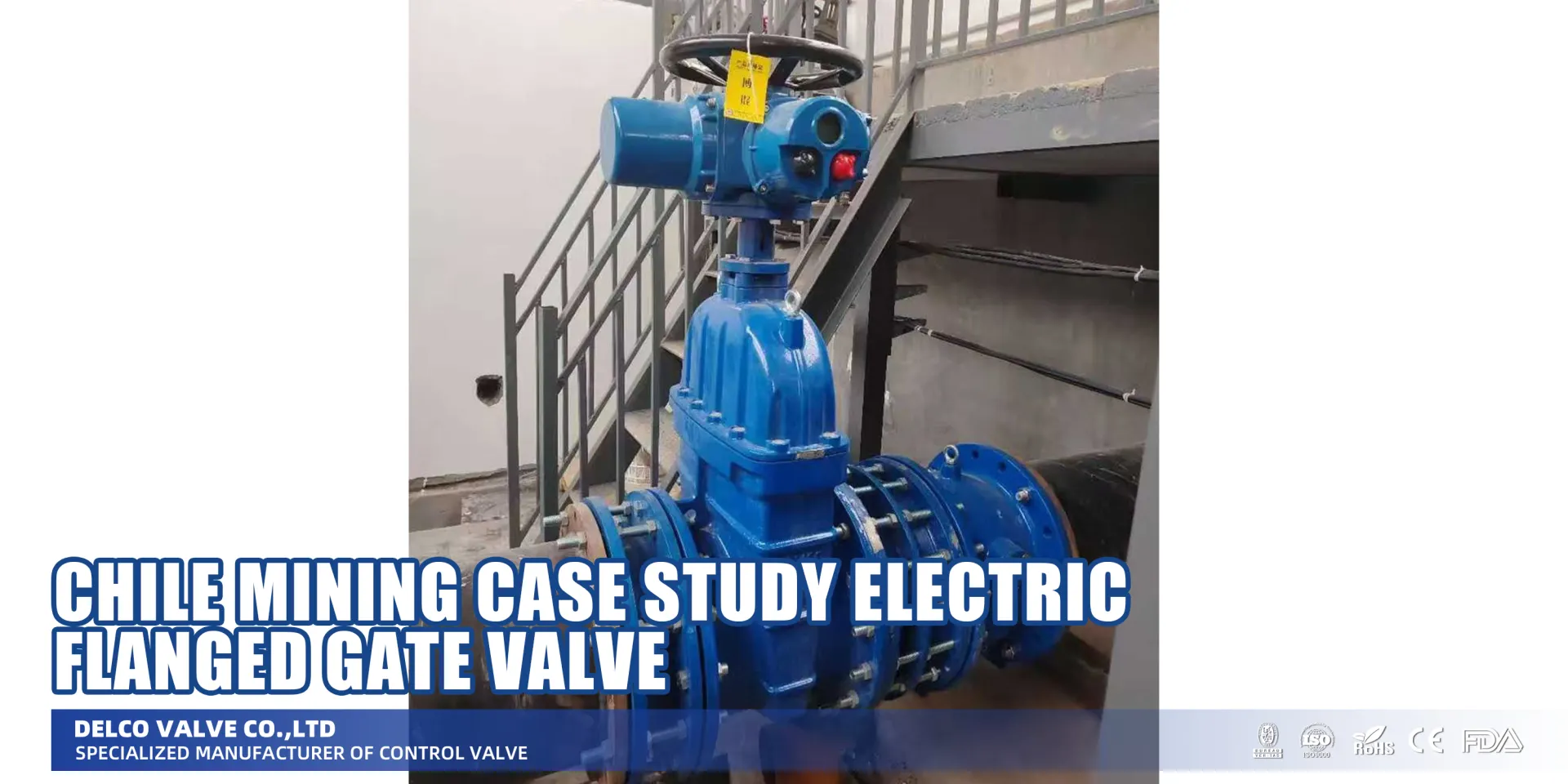
Chile Mining Case Study Electric Flanged Gate Valve
Jun 26, 2026
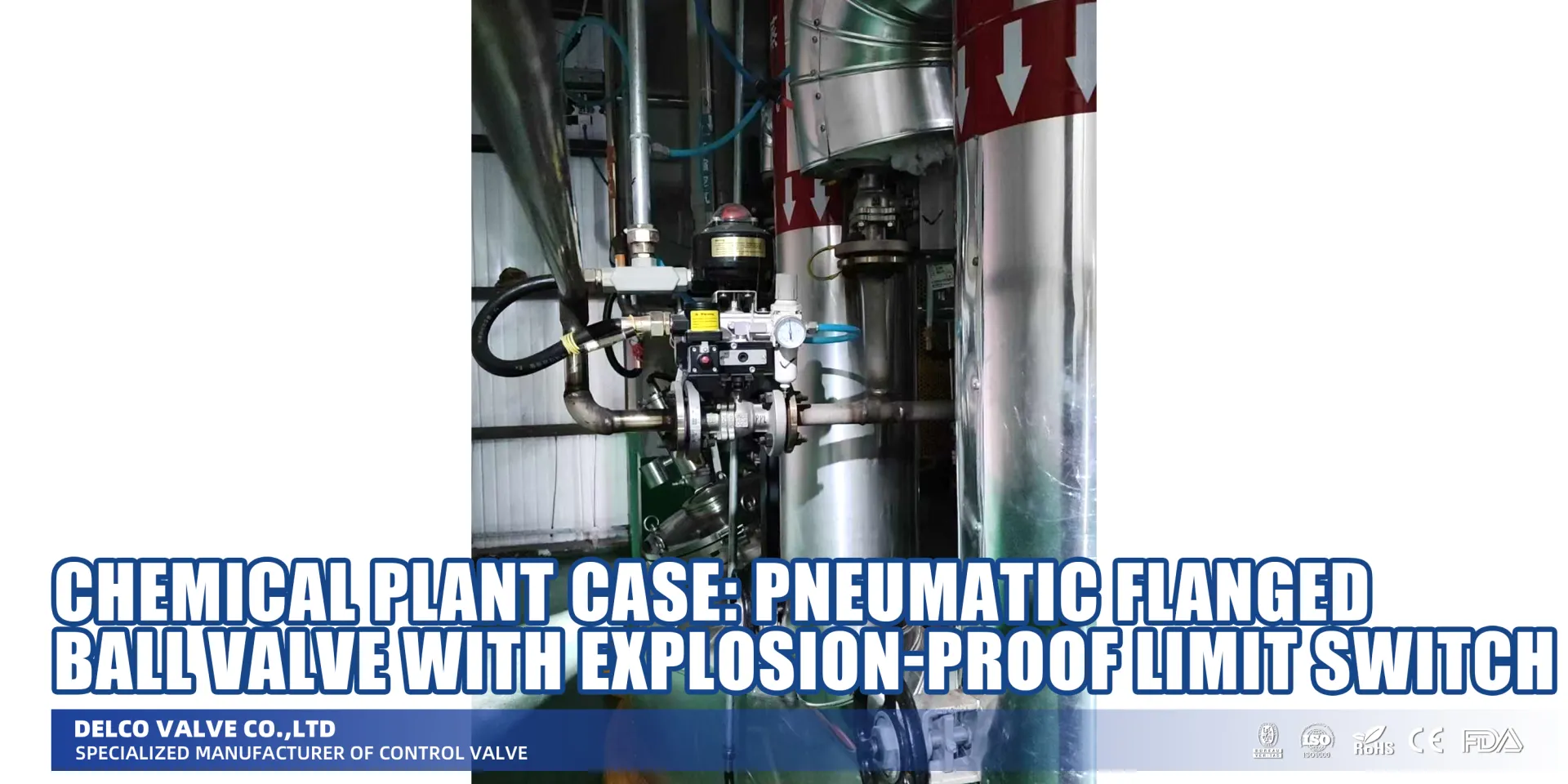
Chemical Plant Case: Pneumatic Flanged Ball Valve with Explosion-Proof Limit Switch
Jun 24, 2026
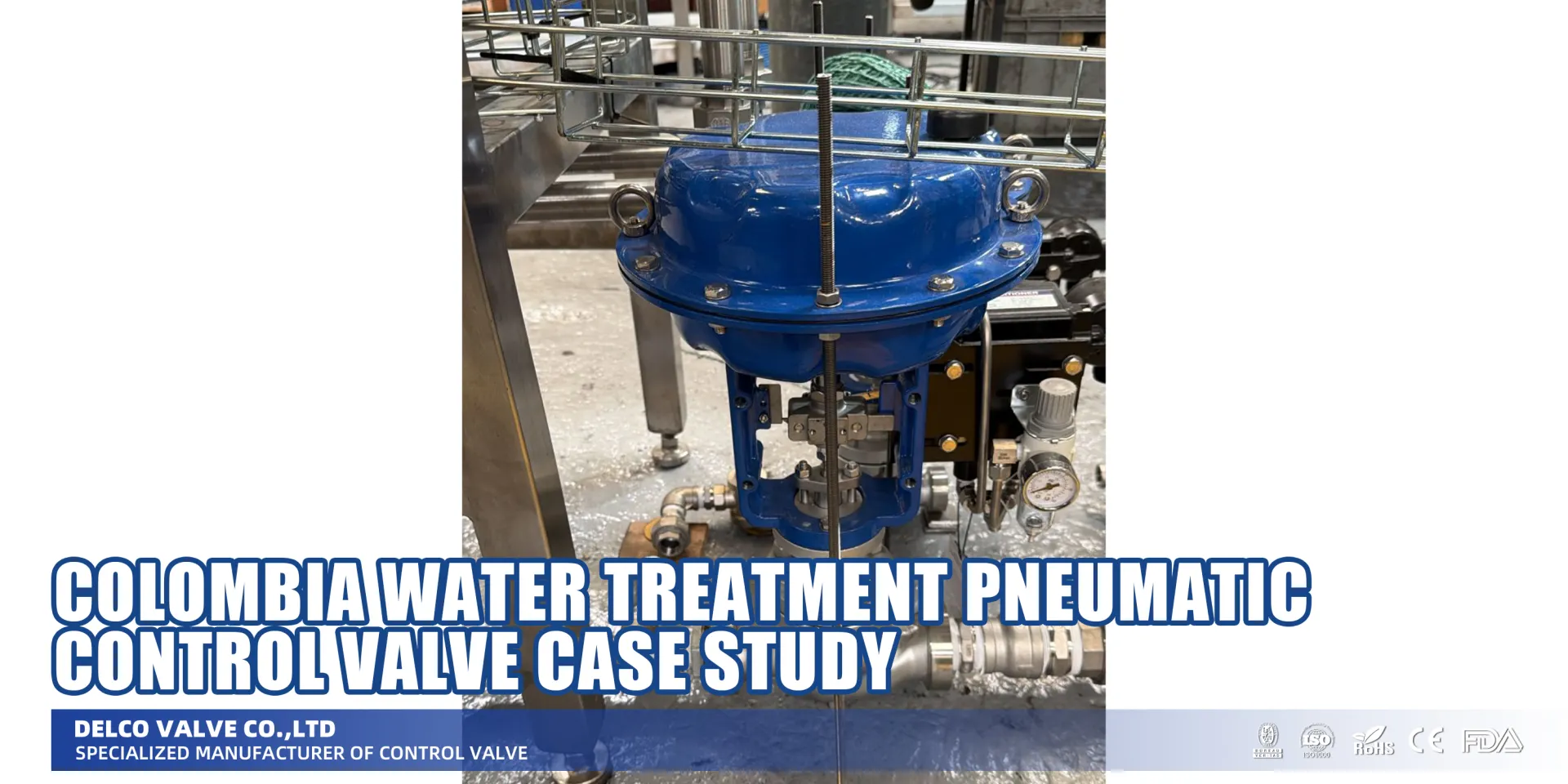
Colombia Water Treatment Pneumatic Control Valve Case Study
Jun 22, 2026
What is an Automated 3-Way Valve?
Simple Engineering Definition
An automated 3-way valve is an advanced flow control device equipped with an electric or pneumatic actuator to regulate fluid direction automatically. Unlike traditional two-port valves, it features three distinct ports to seamlessly manage fluid routing. The core 3 way valve working principle relies on adjusting the internal trim to achieve two primary functions:
- Mixing: Combining two distinct inlet streams into a single, unified outlet flow.
- Diverting: Splitting a single incoming stream into two separate outlet paths.
By integrating an automated flow control valve with a mechanical actuator, industrial systems can achieve hands-free, real-time adjustments to fluid dynamics based on precise system feedback.
Why It Is Used in Industrial Systems
Modern industrial processes demand rapid, precise, and reliable fluid regulation. Traditional manual overrides cannot keep pace with high-velocity production lines or sensitive environmental controls.
An industrial control valve utilizing a 3-way configuration is essential for several critical reasons:
- Precise Temperature Control: Vital for an HVAC 3 way valve system to maintain exact climate levels by adjusting the balance of hot and cold media.
- Process Efficiency: Minimizes the need for multiple 2-way valves, reducing overall pipeline complexity and friction loss.
- Automated Fluid Management: Integrates directly with PLC systems via an electric 3 way valve actuator or a pneumatic 3 way valve for instantaneous response to system fluctuations.
From chemical processing plants to commercial climate loops, these automated systems ensure optimal thermal balance, reliable media routing, and uninterrupted operational safety.
How Automated 3-Way Valves Work
At its core, the 3-way valve working principle comes down to controlling fluid paths. Unlike standard valves that just open or close, an automated flow control valve manages three ports to either combine or split your media.
Understanding how these paths shift is key to keeping your industrial pipeline running smoothly.
Mixing (Converging Flow)
A fluid mixing system valve takes two separate inlet streams and combines them into a single, controlled outlet.
- How it works: Port A and Port B act as inlets, while Port AB is the common outlet.
- Common use case: This setup is essential for a temperature control valve HVAC loop, where we blend hot and cold water streams to hit a precise target temperature before sending it downstream.
Diverting (Diverging Flow)
A flow diversion valve does the exact opposite of a mixing valve. It takes one incoming fluid stream and splits it between two different paths.
- How it works: Fluid enters through the common inlet (Port AB) and is directed to either Outlet A, Outlet B, or a mix of both depending on the valve position.
- Common use case: This is the standard choice for fluid routing, bypassing equipment like heat exchangers, and safeguarding process control systems from overheating.
Role of Automation: Electric & Pneumatic Actuators
To get true precision, manual levers won’t cut it. We equip these valves with an automated control system to handle the heavy lifting based on real-time data.
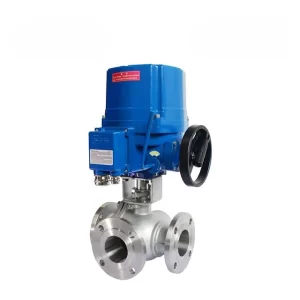
- Electric 3-way valve actuator: Best for setups requiring precise, modulating control (using 4–20mA or 0–10V signals from a PLC).
- Pneumatic 3-way valve: The go-to for rapid-response switching or applications requiring a fail-safe backup.
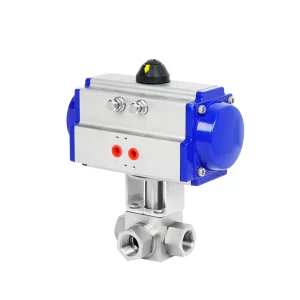
The Bottom Line: By pairing the right 3-way valve working principle with automated actuation, your system gains hands-free, highly accurate control over both flow distribution and fluid temperature.
3-Way Valve vs 2-Way Valve (Engineering Comparison)
2-Way Valve
A 2-way valve features one inlet and one outlet port. It is used exclusively for basic on/off flow control or variable throttling in a single pipeline. When closed, flow stops entirely; when open, fluid moves straight through.
3-Way Valve
A 3-way valve includes three distinct ports to manage complex fluid dynamics. Instead of just stopping flow, it is used for continuous flow distribution, fluid mixing, and system balancing without dead-ending the fluid line.
Key Engineering Difference
The fundamental variance lies in how they affect piping system pressure and routing layout:
| Feature | 2-Way Valve | 3-Way Valve |
|---|---|---|
| Port Configuration | 2 ports (Inlet, Outlet) | 3 ports (A, B, and Common) |
| Primary Function | Shuts off or throttles flow | Mixes two fluids or diverts one stream |
| System Pressure Impact | Changes pressure by restricting flow | Maintains steady pressure via redirection |
| Ideal Application | Variable flow systems | Closed-loop HVAC 3-way valve systems |
By using a 3-way valve working principle, you allow constant flow redistribution across bypass lines. This drastically reduces overall pipeline complexity, eliminates the need for extra balancing valves, and improves energy efficiency in industrial process loops.
Key Types of 3-Way Valves
Choosing the right industrial control valve types comes down to internal design. The internal flow path and the physical structure of the valve dictate how well it will perform under specific system demands.
L-Port vs T-Port Configuration
The design of the internal ball or plug determines how the fluid is routed through the ports.
- L-Port Valve (Flow Diversion Valve): Shaped like an “L,” this configuration is used to switch flow direction from one common inlet to one of two outlets. It cannot connect all three ports at once, making it ideal for standard diverting tasks.
- T-Port Valve (Fluid Mixing System Valve): Shaped like a “T,” this option offers maximum routing flexibility. It can act as a mixing valve vs diverting valve, allowing all three ports to open at the same time, or completely bypassing a line.
By Valve Structure
| Valve Type | Key Strength | Best Use Case |
|---|---|---|
| Ball Type | Fast switching, low flow resistance | Quick shut-off and high-flow routing |
| Plug Type | High throttling accuracy | Precise process control valve types |
| Butterfly Type | Compact design, lightweight | Large diameter pipeline systems |
| Piston Type | Heavy-duty sealing | High-pressure industrial applications |
Industrial Applications (Real Engineering Use Cases)
In my experience working with global infrastructure projects, I’ve seen how an automated 3-way valve becomes the backbone of system efficiency. These aren’t just components; they are the “traffic controllers” for complex fluid networks. Here is where they make the biggest impact:
HVAC Systems (Europe Industrial Buildings)
In European commercial warehouses and data centers, precision is non-negotiable. We implement these valves in chilled water systems to maintain perfect temperature balancing. By using a 3-way valve working principle, the system can bypass or mix water flows to stabilize indoor climates without overworking the chillers, drastically cutting energy costs.
Chemical & Process Industry
Safety and accuracy are the priorities here. Within chemical pipelines, these valves handle:
- Controlled mixing of reactive agents to ensure process stability.
- Safe fluid routing to prevent contamination or pressure spikes.
- Reliable performance in harsh environments using stainless steel 3-way valve builds.
Food & Pharmaceutical Systems
For hygienic industries, we focus on contamination-free flow control. Our valves ensure hygienic fluid transfer by maintaining a stable temperature during pasteurization or chemical synthesis. The seamless transition between ports prevents “dead legs” in the piping, ensuring every batch meets strict regulatory standards.
| Industry | Primary Use Case | Key Benefit |
|---|---|---|
| HVAC | Temperature Balancing | Energy Efficiency |
| Chemical | Fluid Routing | Process Safety |
| Pharma | Hygienic Transfer | Zero Contamination |
Valve Selection Guide Industrial
Picking the right automated 3-way valve keeps your system running smoothly and prevents early equipment failure. Based on our years of hands-on field experience, here is the exact checklist we use to match the right valve to your specific project needs.
Flow Requirement Analysis
Before looking at data sheets, you need to lock down your flow configuration.
- Fluid Mixing System Valve: Choose this if you need to combine two different inlet streams (like hot and cold water) into one single outlet to balance temperatures.
- Flow Diversion Valve: Choose this if you need to split one main incoming line into two different outlet paths for routing or bypassing equipment.
Pressure & Temperature Conditions
Operating limits dictate your valve build. You must match the valve body, pressure rating, and internal seals to your maximum system peaks, not just the average running conditions. High temperatures require resilient metal-to-metal seats or specialized PTFE, while extreme pressures demand heavy-duty bolted bonnet designs to prevent external leaks.
Material Selection
Choosing the right material ensures long-term chemical process control and stops premature corrosion.
| Material | Best Used For | Key Benefit |
|---|---|---|
| Stainless Steel 3 Way Valve | Corrosive media, food processing, pharma | High chemical resistance & hygiene |
| Carbon Steel | General industrial use, oil, gas, and steam | High strength and cost-effective |
| PVC / Plastics | Water treatment, mild acids, plating lines | Zero rust and excellent chemical compatibility |
Actuator Selection
Your valve is only as good as the automation driving it. Match your power source to your performance goals:
- Electric 3 Way Valve Actuator: Best for precise, modulating control (like 4–20mA signals) in HVAC and precision blending loops where accuracy is everything.
- Pneumatic 3 Way Valve Actuator: Best for fast-acting, high-cycle switching, and environments requiring explosion-proof safety.
3-Way Valve Working Principle: Pros and Cons
Choosing the right automated flow control valve comes down to weighing system performance against total cost. While a 3-way valve working principle offers unmatched flexibility in fluid routing, understanding both sides of the coin ensures you make the right call for your pipeline design.
Key Advantages of a 3-Way Valve
- Improved System Efficiency: They optimize thermal loops by maintaining constant flow, making them a staple as a temperature control valve HVAC solution.
- Reduced Pipeline Complexity: One automated 3-way valve can do the job of two standard 2-way valves, saving physical space and cutting down on extra fittings.
- High Automation Compatibility: These units pair perfectly with an electric 3 way valve actuator or a pneumatic 3 way valve system for seamless PLC integration.
- Better Flow and Temperature Control: They deliver precise, real-time adjustments whether utilized in a fluid mixing system valve setup or a flow diversion valve loop.
Engineering Limitations to Consider
| Limitation | Impact on System | Mitigation Strategy |
|---|---|---|
| Higher Upfront Cost | Higher initial investment than basic 2-way valves. | Offset by reduced overall piping, fewer actuators, and lower long-term energy bills. |
| Calibration Requirements | Incorrect setup leads to flow instability or thermal shock. | Precise commissioning of the valve actuator control system during installation. |
| Complex Maintenance | High-cycle process control valve types experience quicker internal seal wear. | Routine inspection schedules and choosing high-grade stainless steel 3 way valve materials for harsh media. |
3-Way Valve Maintenance & Field Troubleshooting
Even the best automated flow control valve setups run into issues if left unchecked. Down time costs money, so keeping your 3-way valve working principle in mind during routine checks saves time and headaches.
Common 3-Way Valve Field Issues
- Actuator Misalignment: The valve fails to switch fully between ports. This usually happens when the electric 3 way valve actuator or pneumatic system slips out of sync with the valve stem.
- Internal and External Leakage: Constant cycling causes natural seal wear, leading to fluid bypassing the ports or leaking from the stem.
- Flow Instability: Choosing the wrong L-port vs T-port valve configuration for your system causes pressure drops, fluid hammering, and erratic temperature control valve HVAC performance.
Proactive Maintenance Recommendations
| Maintenance Task | Frequency | Target Benefit |
|---|---|---|
| Actuator Calibration | Bi-annually | Ensures complete port closure and precise modulation. |
| Under-Pressure Seal Inspection | Quarterly | Catches seal wear before it turns into a costly leak. |
| System Flow Testing | Annually | Verifies smooth fluid mixing system valve and diversion transitions. |
Field Tip: Always check the control signals (4–20mA or ON/OFF) during your calibration routine. A drifting PLC signal mimics a mechanical valve failure when the valve itself is perfectly fine.
Why Choose DELCO VALVE
We build high-performance flow control technologies designed for seamless automation and long-term reliability. As an industrial valve manufacturer, we deliver heavy-duty hardware that integrates perfectly into global automation infrastructures.
Industrial Manufacturing & Automation Expertise
We design and manufacture robust automated flow control valves engineered for modern industrial systems. From fast-acting pneumatic systems to high-precision electric setups, we provide the hardware that keeps your operations running smoothly.
| Capability | Focus Areas | System Benefits |
|---|---|---|
| Industry Specialization | HVAC, chemical processing, & heavy industrial pipelines | High compatibility and field reliability |
| Automation Integration | Precision-machined for electric 3 way valve actuator & pneumatic setups | Drop-in replacement, reduced setup time |
| Global Compliance | Built to international standards for European and global markets | Guaranteed fit and certified performance |
Built for Toughest Process Control Systems
- Universal Actuator Compatibility: Every industrial control valve we make features standard mounting pads, ensuring a perfect match with your existing valve actuator control system.
- Tested Under Pressure: Our valves undergo rigorous pressure, cycle life, and sealing tests to guarantee zero-leakage performance in demanding environments.
- Premium Metallurgy: We utilize high-grade stainless steel 3 way valve bodies and specialized alloys to withstand corrosive chemicals and extreme thermal cycles.
Proven Field Performance
Our three way valve applications are trusted worldwide, managing critical temperature loops in European HVAC setups, high-cycle chemical pipelines, and automated factory floors. When you choose DELCO VALVE, you are investing in reduced downtime, lower maintenance costs, and optimized system efficiency.
Contact DELCO VALVE for Project Support
Customized 3-Way Valve Solution
Looking for a reliable automated flow control valve tailored to your specific system? At DELCO VALVE, our engineering team helps you map out the perfect setup—from initial valve selection to electric 3 way valve actuator matching and complete system integration. Whether you are managing complex fluid mixing or need a rugged stainless steel 3 way valve for corrosive media, we build solutions that fit your precise operating conditions.
Get Technical Support & Factory Pricing
We provide direct technical consultation, transparent pricing, and full OEM/ODM support to keep your projects on schedule and within budget.
- Expert Guidance: Direct access to valve engineers for actuator torque matching and material selection.
- Global Compatibility: Industry-ready designs compatible with standard PLC and control signals.
- Fast Turnaround: Efficient manufacturing pipelines for custom industrial orders.
Partner with us: Contact DELCO VALVE today to get a quote, request technical datasheets, or discuss your project specifications with our automation experts.
Share on Social:


Contact Us
In This Article
Electric 3 Way Control Valve Case Study Germany Plant
Jun 29, 2026
Chile Mining Case Study Electric Flanged Gate Valve
Jun 26, 2026
Chemical Plant Case: Pneumatic Flanged Ball Valve with Explosion-Proof Limit Switch
Jun 24, 2026
Colombia Water Treatment Pneumatic Control Valve Case Study
Jun 22, 2026